

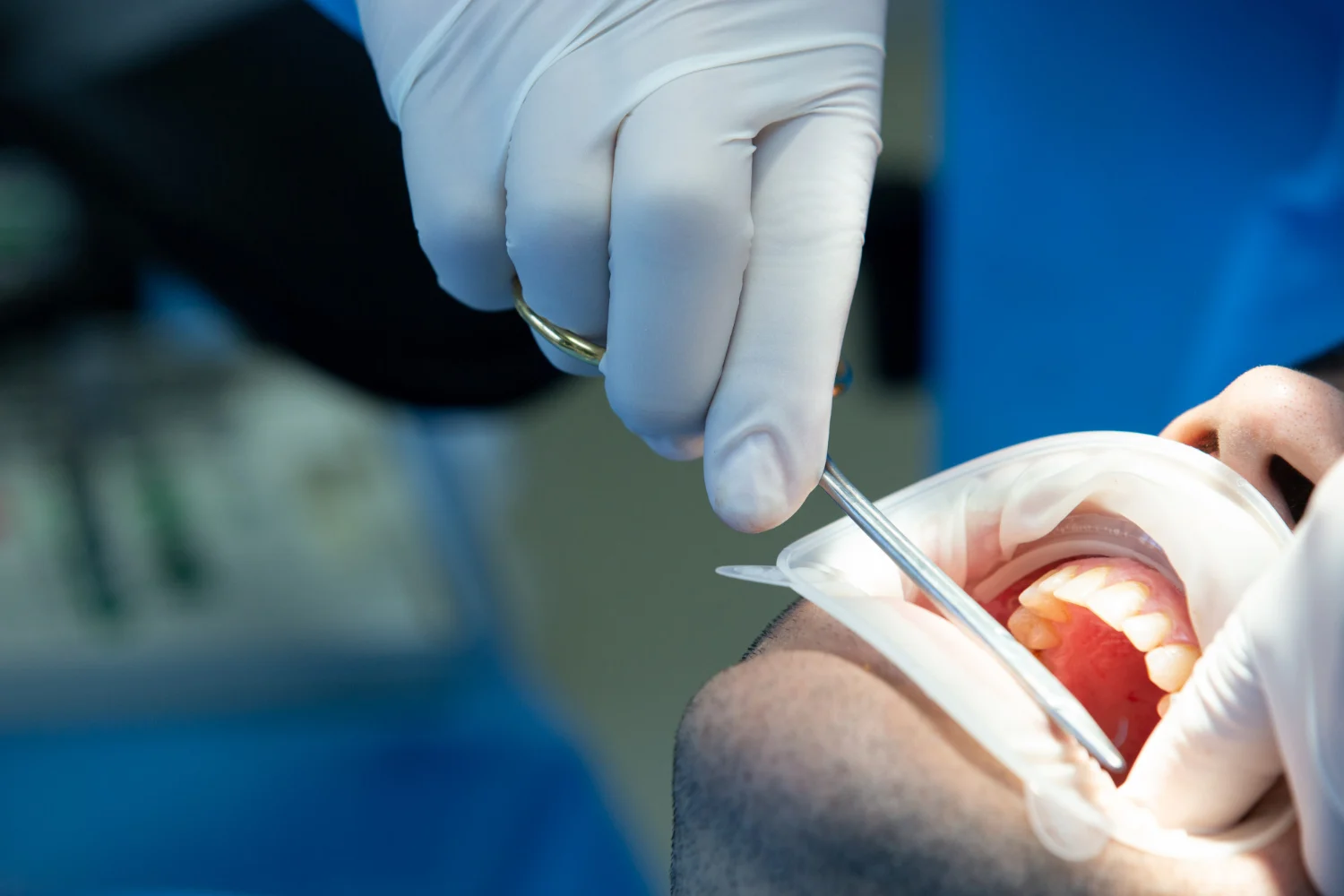
oral surgery/wisdom tooth removal Weybridge
Oral surgery encompasses a wide range of procedures aimed at diagnosing and treating various conditions affecting the oral and maxillofacial regions. Dr Haywood has trained at the highly regarded Eastman Training Institute and has completed postgraduate oral surgery training at the Royal College of Surgeons in London.
Sean was also awarded a Postgraduate Diploma in Implantology
with Distinction from Bristol University.
Wisdom Tooth Removal
Wisdom tooth removal is a common dental procedure performed when the third molars, usually emerging between ages 17 and 25, become impacted, misaligned, or cause pain and infection. These teeth often don’t have enough space to grow properly, which can lead to swelling, gum problems, or damage to neighboring teeth. The procedure is usually carried out under local anesthesia, and recovery involves managing swelling and discomfort with rest, medication, and soft foods. Removing problematic wisdom teeth helps prevent future dental complications and supports overall oral health.
Minor Surgical Procedures
Gingival Grafting
Gingival grafting is a dental procedure that involves the surgical transplantation of gum tissue to areas where it is deficient or has receded. This treatment is typically performed by our in-house dentist, who is experienced in managing conditions that affect the supporting structures of the teeth.
The primary goals of gum grafting include:
Gum Recession Correction: Gum recession can result from several factors, including periodontal disease, aggressive tooth brushing, or genetics. Gum grafting helps cover exposed tooth roots and prevents further recession.
Improved Aesthetics: Gum grafting can enhance the appearance of your smile by creating a more even and natural-looking gumline.
Reduced Tooth Sensitivity: Exposed tooth roots often cause sensitivity to hot, cold, or sweet foods. Gum grafting adds protective tissue coverage, which helps reduce sensitivity.
Gum grafting is usually performed under local anesthesia to keep the patient comfortable. After the procedure, proper post-operative care is important for optimal healing. This may include guidance on oral hygiene, dietary restrictions, and avoiding habits that could interfere with recovery. Gum grafting can improve oral health, enhance aesthetics, and reduce discomfort or sensitivity.
Benefits Of oral surgery/wisdom tooth removal
Treats Complex Issues: Addresses impacted teeth, jaw problems, and facial trauma.
Improves Oral Function: Restores proper chewing, speaking, and alignment.
Prevents Future Problems: Removes infection sources and reduces oral health risks.
Supports Dental Restorations: Provides a foundation for implants, dentures, or bridges.
Prevents overcrowding and misalignment: Taking out wisdom teeth creates space and helps keep your other teeth properly aligned.
Reduces risk of infection and decay: Wisdom teeth are harder to clean, so removing them lowers the chances of cavities and gum disease.
Frequently Asked Questions
What is oral surgery?
It includes surgical procedures like tooth extractions, implant placement, and jaw correction.
Is oral surgery painful?
How long is the recovery time?
Recovery varies by procedure, but most patients heal within a few days to a few weeks.
Will I need someone to drive me home?
Yes, if sedation or general anesthesia is used, you’ll need a companion after surgery.
How should I prepare for oral surgery?
Follow your dentist’s instructions, which may include fasting and arranging post-op care.